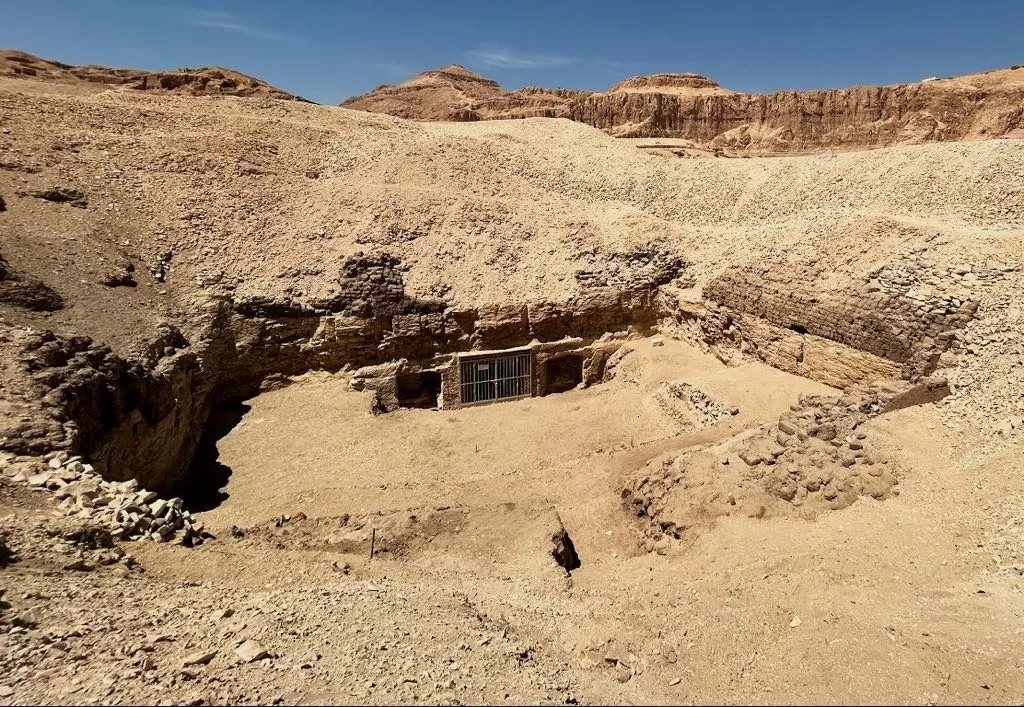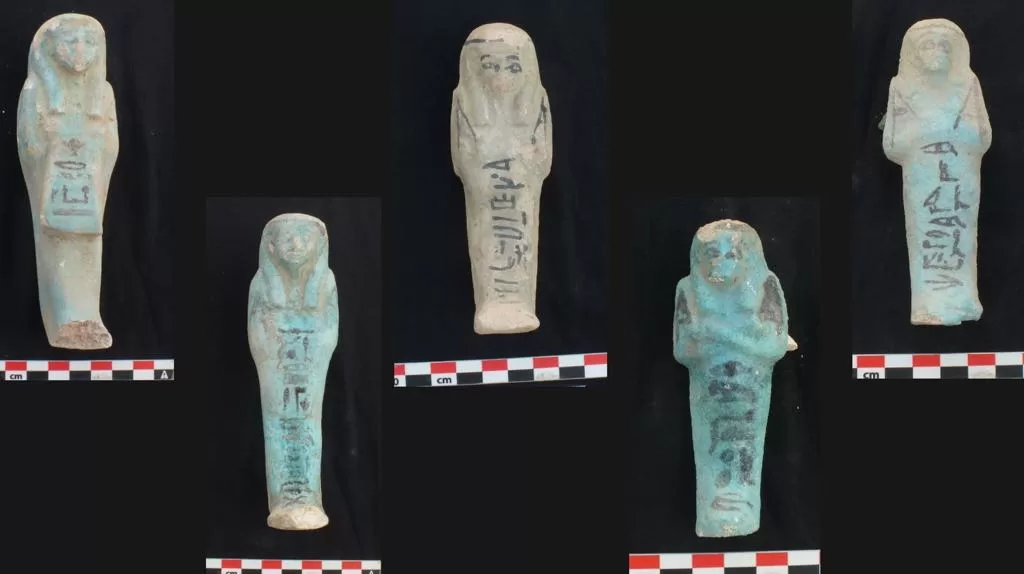
A joint Egyptian-Canadian mission led by the Supreme Council of Antiquities and the University of Ontario has identified the owner of Kampp 23, a Luxor tomb first found in the 1970s.
The tomb belongs to Amenmesse, mayor of Thebes during the Ramesside era, who also served as king’s adviser, tax collector, and head of quarry service under Ramses IV.
Minister of Tourism and Antiquities, Sherif Fathy, praised the discovery as a testament to international cooperation and its role in deepening our understanding of ancient Egyptian officials.
He emphasised that such discoveries help illuminate the lives of senior officials in ancient Egypt and reflect the valuable partnership between Egypt and global academic institutions.
“The identification of Amenmesse not only adds depth to our historical knowledge, but also highlights Egypt’s commitment to supporting archaeological discovery,” Minister Fathy added.
This is the first archaeological work inside Kampp 23 since its discovery.
The team noted traces of later reuse, such as remains of colored plaster over limestone inscriptions and alterations to the entry structures, shedding light on the tomb’s evolving story.
Dr. Casey L. Kirkpatrick, leading the Canadian team, shared her optimism for future seasons: “We are grateful for this opportunity to explore the life of Amenmesse, and we hope our continued work will uncover even more about this fascinating figure.”
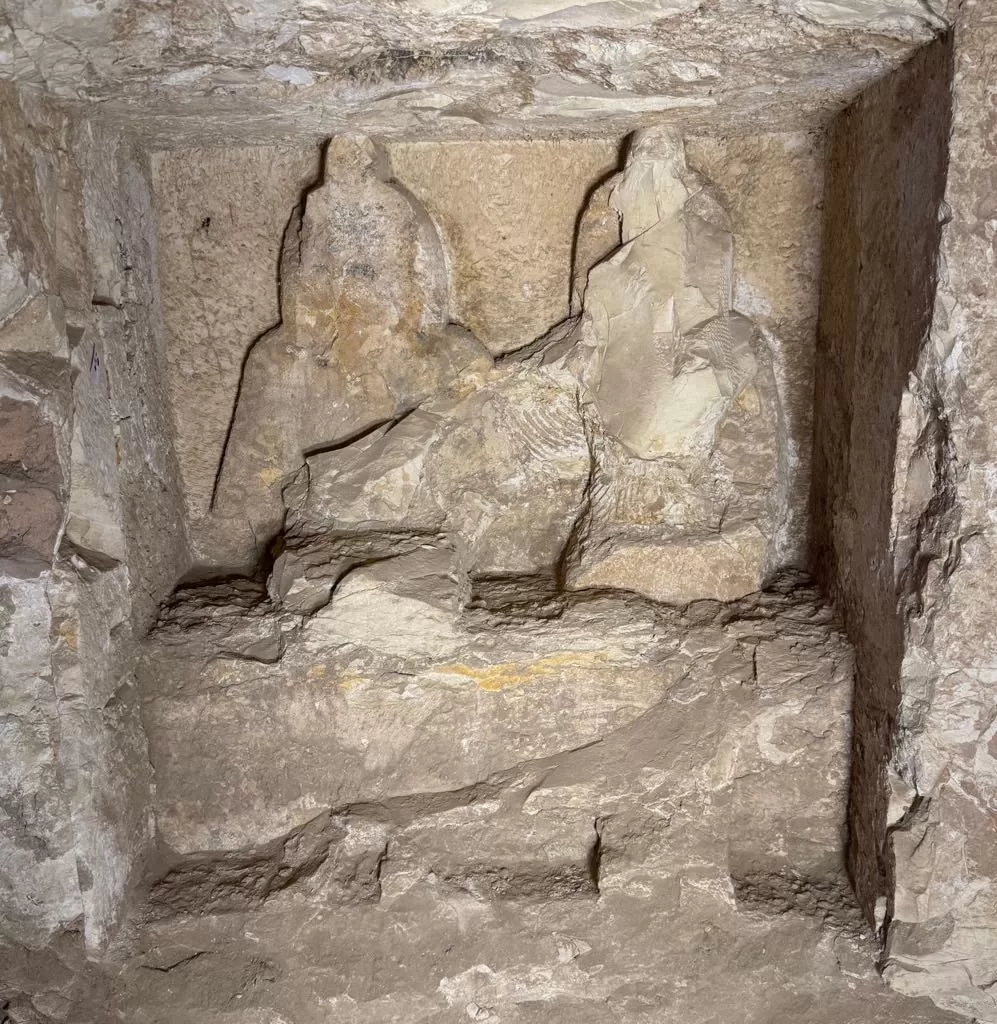
Abdel Ghaffar Wagdy, heading the Egyptian side, described the structure’s unique features: Kampp 23 is carved from the rock with an open courtyard flanked by mudbrick walls. Its architectural style, including a T-shaped vestibule and statues carved into the rock, mirrors other tombs from the Ramesside period.