



By Mohamed Attia
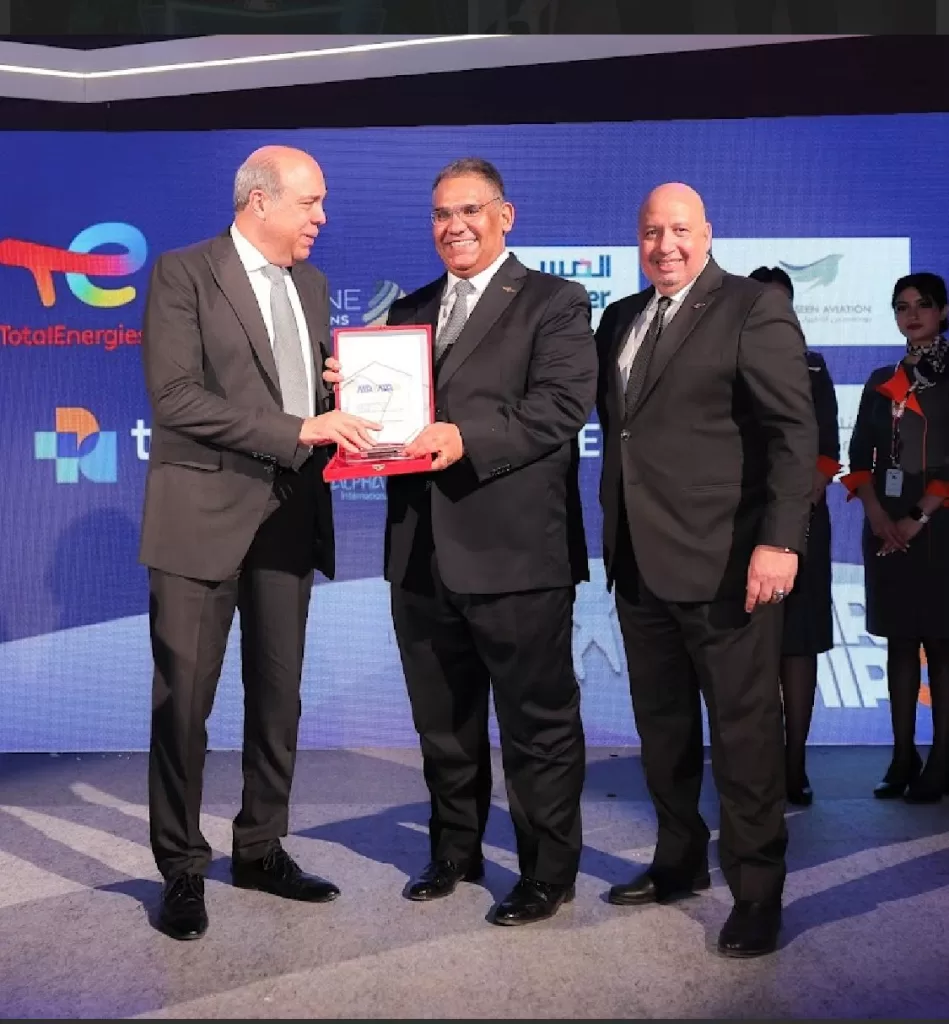
Minister of Civil Aviation, Sameh El Hefny, has honoured senior executives at Air Cairo during a ceremony marking the airline’s 25th anniversary and its recent strong performance.
The event celebrated a milestone in the company’s journey, recognising its expansion and financial success over the past year. El Hefny presented awards to Capt. Ahmed Shennin, Chairman of Air Cairo, and Mostafa Helmy, the company’s Chief Financial Officer, in appreciation of their leadership and contributions to the airline’s growth.
In the last 12 months, Air Cairo has seen a significant boost in operations, including the addition of new international routes, an expanded aircraft fleet, and a sharp rise in revenues and profits, according to the airline’s latest financial statements.
The minister praised the company’s achievements and its growing role in the regional aviation market, highlighting Air Cairo as a model for successful transformation within Egypt’s civil aviation sector.
Egypt’s aviation academy partners with Arab Organization for Industrialization to produce flight simulators locally.
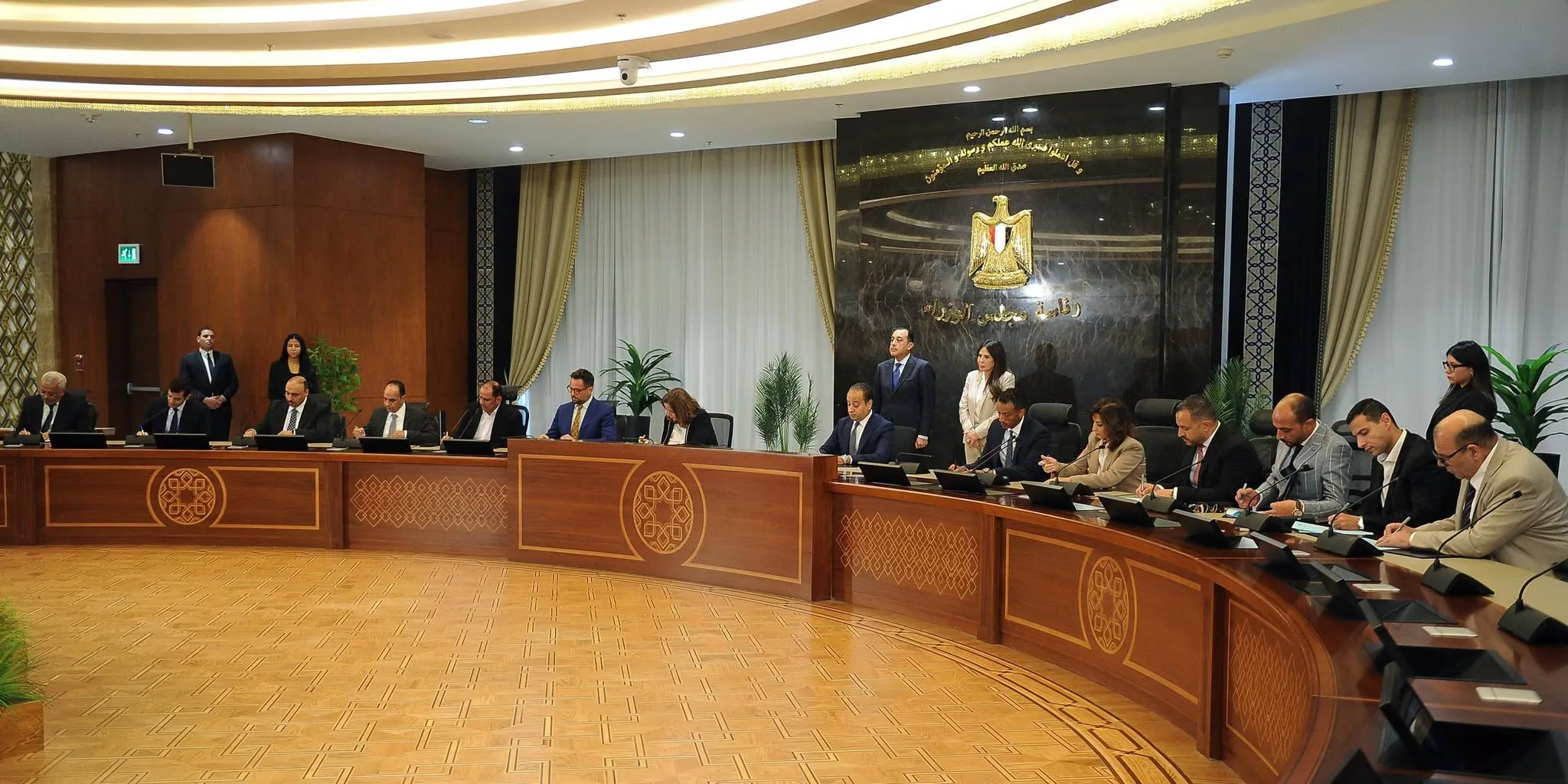
Egypt’s Ministry of Civil Aviation and the Arab Organisation for Industrialisation have signed a co-operation protocol aimed at boosting local manufacturing of advanced aviation training tools, including flight simulators, in a move to reduce reliance on imported technologies.
The agreement was signed in Cairo between the Electronics Factory of the Arab Organisation for Industrialisation and the Egyptian Aviation Academy Holding Company, under the auspices of Minister of Civil Aviation Sameh El Hefny and Lieutenant General Mokhtar Abdel Latif, Chairman of the organisation.
The partnership seeks to design and develop cutting-edge, locally manufactured simulators and smart training systems that meet international technical standards. These tools are expected to play a key role in training and qualifying civil aviation personnel to global competency levels, with the aim of securing international accreditation and regional commercial expansion.
El Hefny hailed the agreement as a significant step toward building sustainable training infrastructure and aligning educational outputs with industry needs. He emphasised that developing Egyptian-made simulators would support Egypt’s ambitions to become a regional hub for specialised aviation training.
He also praised the Arab Organisation for Industrialisation for its long-standing role in national industry, expressing hope that the partnership would help localise aviation technology and contribute to the Egyptian economy through high-quality, homegrown products.
Lt. Gen. Abdel Latif stressed the importance of increasing local manufacturing content and reducing imports, affirming the organisation’s commitment to advanced technological development. He noted that the new partnership will provide integrated solutions for air traffic control and aviation science simulators at competitive prices, positioning Egypt as a player in the global smart software and simulator manufacturing market.

