




Egypt made sweeping economic transformations in the past decade, with the chief aim of stabilising key financial indicators, restructuring core sectors, and asserting its presence as a dynamic player in regional and global markets.
Anchored by macroeconomic stability, structural reform, and proactive economic diplomacy, the country is pursuing an ambitious roadmap for long-term, inclusive, and sustainable development, despite mounting global and domestic challenges.
2024 Report: A strategic shift
In a recent statement, Minister of Planning, Economic Development and International Co-operation, Rania Al-Mashat, unveiled her ministry’s 2024 Annual Report.
Titled “Macroeconomic Stability, Structural Reforms, and Economic Diplomacy to Promote Sustainable Economic Development”, the report outlines a renewed strategic framework centred on three pillars: data- and evidence-based policymaking, enhancing economic resilience through macroeconomic stability, and mobilising domestic and international financing via a comprehensive national framework that prioritises the efficient allocation of resources to key sectors.
It also spotlights reforms to improve the governance and efficiency of public investment and highlights human development and industrial modernisation as top priorities over the next three years.
According to the report, these sectors command the lion’s share of government investments for the current fiscal year. It says 42 per cent of investments in this year are directed towards human capital, while 37 per cent are toward industrial development.
Strategic blueprint
Minister Al-Mashat said the government would unveil the comprehensive “National Economic Development Narrative” next month, a strategic blueprint that sets out measurable targets for macroeconomic policy, foreign direct investment (FDI), industrial growth, and job creation.
The plan aligns with Egypt’s Vision 2030 and the country’s ongoing reform agenda, the minister said.
Speaking at a press conference following a Cabinet meeting on Wednesday, the minister underscored the narrative’s role in enhancing investor confidence and shaping Egypt’s economic future.
“This is about consolidating our commitment to reform and ensuring our economy is aligned with both national goals and global development imperatives,” the minister said.
Macroeconomic stability
Egypt’s drive towards macroeconomic stability began following the June 30 Revolution in 2013. In 2016, the government launched a bold economic reform programme with support from the International monetary Fund (IMF), floated the currency, restructured subsidies, and undertook fiscal consolidation measures.
The impact was immediate. Inflation, after an initial spike, was brought under control by 2020. Foreign reserves rebounded, and budget deficits narrowed.The Central Bank of Egypt adopted tighter monetary policies and upheld a flexible exchange rate, signalling a commitment to stability and attracting renewed investor interest.
However, recent years have brought fresh headwinds. The Covid-19 pandemic, compounded by the global fallout from the Russia-Ukraine conflict, disrupted supply chains and reignited inflationary pressures. In response, Egypt secured a new IMF loan in 2022 and committed to deepening liberalisation efforts, shrinking the state’s economic footprint, and creating more space for private enterprise.
Structural reforms
Central to Egypt’s transformation is a deep-rooted commitment to structural economic reform. The government’s State Ownership Policy Document lays out a clear strategy to expand private sector participation across sectors, such as transportation, logistics, energy, and agriculture.
A robust privatisation programme, including the sale of stakes in state-owned enterprises, is designed to enhance market competitiveness and attract foreign capital.
Reforms to streamline business procedures, encourage fair competition, and strengthen investor confidence are also underway. The Sovereign Fund of Egypt plays a pivotal role in mobilising public assets, forging public-private partnerships, and catalysing economic growth.
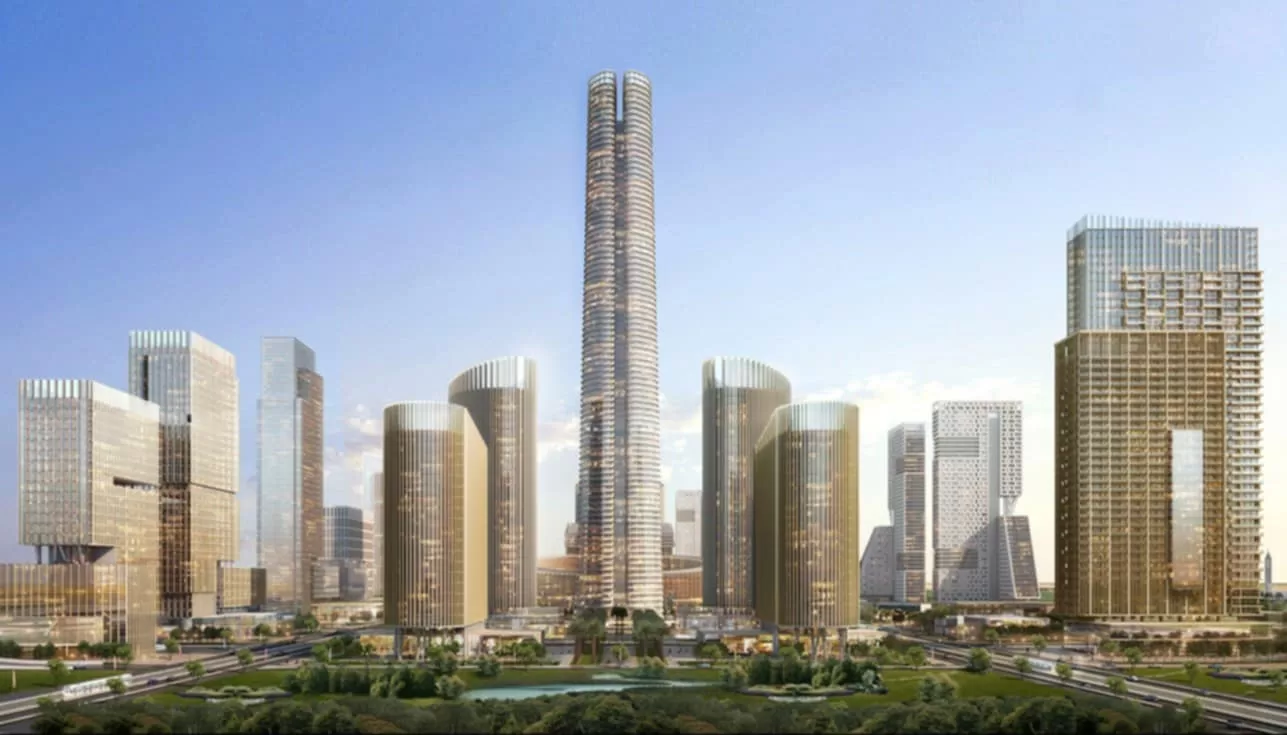
Mega-projects like the New Administrative Capital, nationwide infrastructure upgrades, and sweeping digital transformation initiatives reflect the government’s commitment to inclusive development. These projects not only stimulate the economy but also create jobs and modernise the economic base.
Economic diplomacy
Egypt’s strategic geographic position—connecting Africa, the Middle East, and Europe—alongside the Suez Canal, affords it significant geopolitical and economic influence.
In recent years, the government has sharpened its focus on economic diplomacy to deepen trade ties, attract investment, and promote regional integration.
Egypt remains a key player in initiatives like the African Continental Free Trade Area (AfCFTA), while also fostering bilateral agreements with Gulf states, the European Union, China, and African partners. The country is also emerging as a regional energy hub, expanding LNG exports and exporting electricity to neighbouring states. In addition, Egypt is advancing green hydrogen and renewable energy partnerships, reinforcing its commitment to a low-carbon, sustainable economy.
Looking ahead: Vision 2030 in focus
While the path forward includes significant challenges, including inflation, public debt, and the need for more equitable growth, Egypt’s strategic approach reflects a long-term commitment to reform and resilience. Through disciplined macroeconomic policies, bold structural transformations, and strategic international partnerships, the government aims not just to recover, but to thrive and lead.
As global economic paradigms evolve toward resilience, digitalisation, and sustainability, Egypt’s continued dedication to reform and integration will be central to achieving its Vision 2030 goals and securing a stable, prosperous future for its people.

