










By Mohamed Attia
As the global aviation industry undergoes transformative growth, Egypt is emerging as a key player in shaping the future of air transport across Africa and beyond. With forecasts predicting that the African continent will require over 76,000 new aviation professionals by 2043, the opportunities for investment, development, and regional leadership are vast. Among the nations poised to take the lead, Egypt stands out, leveraging its strategic geographic location, a growing talent pool, and an ambitious national vision.
Kuljit Ghata-Aura, President of Boeing Middle East, Turkey, Africa, and Central Asia, highlighted Egypt’s potential in this sector, noting that the country currently employs more than 56,000 individuals in aviation-related fields, contributing approximately $3.5 billion annually to the national economy. With Cairo International Airport preparing to become a major hub for long-haul flights, Egypt is uniquely situated at the crossroads of Africa, the Middle East, and Europe—making it an ideal gateway for global air logistics and connectivity.
Vision 2030: Education as the engine of growth
Central to Egypt’s aviation ambitions is Vision 2030, the country’s strategic roadmap for sustainable development. The plan places a strong emphasis on education and training, particularly in science, technology, engineering, and mathematics (STEM), with the aim of developing a workforce capable of meeting the dynamic demands of the global aviation industry.
This forward-looking approach is not just about preparing students for today’s job market, but about empowering them to seize emerging opportunities in aerospace technology, air traffic management, maintenance, repair, and overhaul (MRO), and sustainable aviation. Vision 2030 seeks to foster a generation of critical thinkers and innovators equipped with the technical expertise and leadership skills required to propel Egypt to the forefront of the aviation world.
Boeing: A strategic partner in national talent development
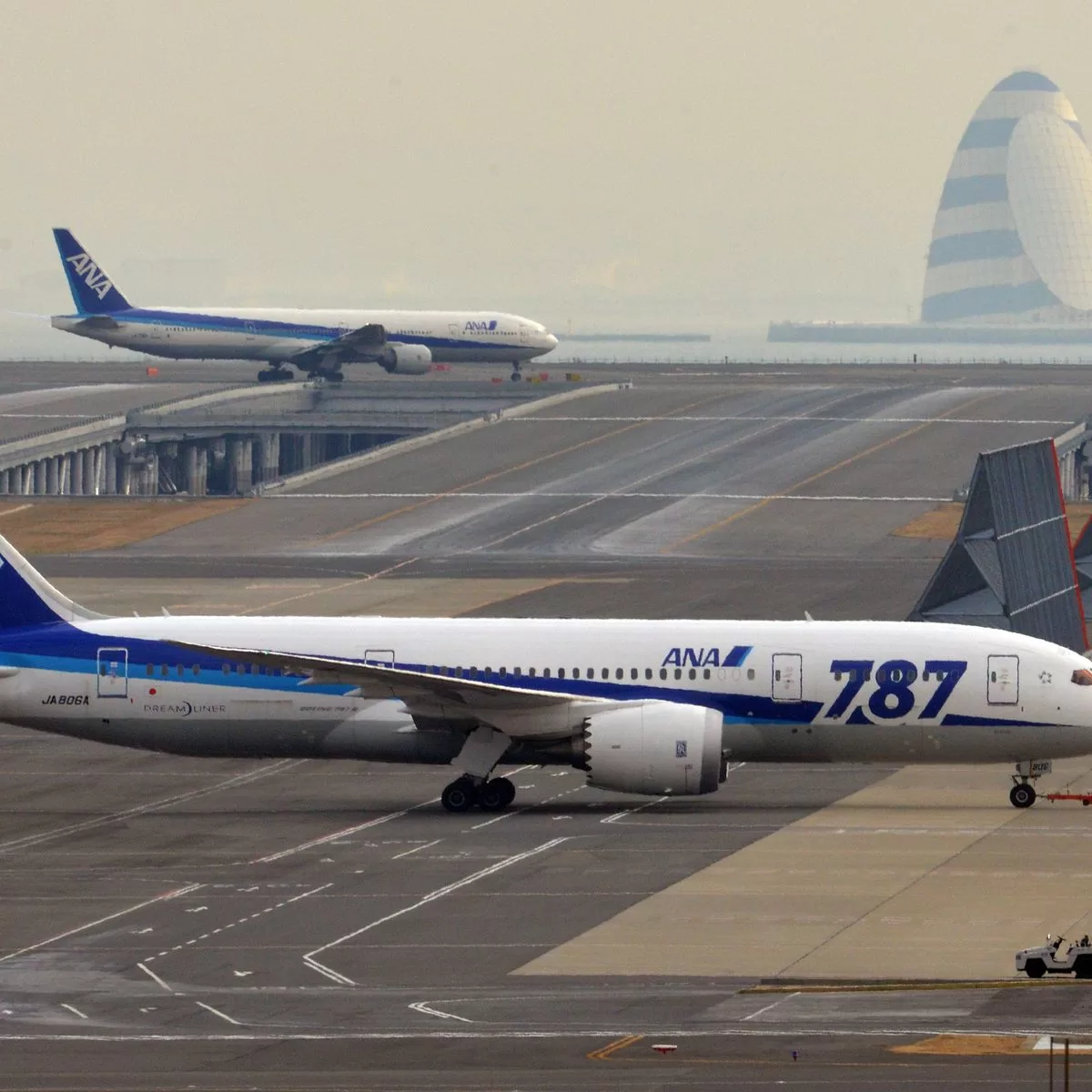
Playing a pivotal role in this national transformation is Boeing, Egypt’s long-standing partner in aviation. Over the past six decades, Boeing has expanded its role from supplying aircraft and services to actively investing in Egypt’s human capital. Since 2007, the company has invested over $2 million in local educational and training programs, positively impacting more than 22,000 Egyptian youth.
Boeing’s initiatives are deeply aligned with Egypt’s priorities. Through partnerships with leading institutions such as Cairo University, Boeing has helped advance education in aerospace engineering and broadened access to STEM fields. The company also works closely with local aviation specialists to train future pilots, maintenance engineers, and aviation professionals, directly contributing to the growth of Egypt’s MRO capabilities and enhancing the quality of its aviation services.
Further expanding its commitment, Boeing has established several key partnerships:
- With Education for Employment (EFE) Egypt, to support the transition of students into the aviation workforce
- With AMIDEAST Egypt, to create a STEM Center in Cairo that has trained nearly 3,000 students and teachers
- With Injaz Egypt, to deliver educational programs in sustainable aviation and support early-stage entrepreneurs in aerospace
Human capital: The foundation of aviation competitiveness
As the aviation industry faces global challenges—ranging from sustainability to digital transformation—the role of skilled human capital has never been more vital. Boeing’s continued support for education and workforce development ensures that Egypt remains competitive in the long term. These efforts not only elevate the technical capabilities of Egyptian professionals but also enhance the country’s economic resilience and global standing.
“Investing in young minds is the foundation of sustainable competitiveness,” said Gata-Aura. “Boeing is proud to be a strategic partner to Egypt, and we are committed to building a highly skilled generation that can lead the aviation sector into the future.”
With a clear national vision, strategic partnerships, and a steadfast commitment to empowering youth, Egypt is charting a course toward becoming a regional—and global—leader in aviation. Through investment in infrastructure, talent, and innovation, the country is not only preparing for the future of flight but helping to define it.

