







The Trump administration has reinstated emergency food aid to several countries after widespread criticism of recent cuts, but funding remains withheld from Afghanistan and Yemen—two of the most impoverished and conflict-affected nations in the world, officials confirmed on Wednesday.
The initial suspension of aid impacted programs in more than a dozen countries, part of a broader initiative to dramatically reduce foreign assistance under the direction of Elon Musk’s Department of Government Efficiency. Aid officials had warned that the cuts would threaten the food security of millions and disrupt critical health services for women and children.
According to two United Nations officials, the U.S. informed the World Food Program (WFP) of its partial reversal on Tuesday. Officials from the U.S. Agency for International Development (USAID) confirmed that Jeremy Lewin—a Musk associate tasked with overseeing the restructuring of USAID—reinstated some of the canceled contracts following reporting by The Associated Press. These officials spoke on condition of anonymity due to restrictions on speaking to the media.
The WFP had previously announced that it was informed of funding cuts to its emergency food relief operations in 14 countries. Funding has now been restored for programs in Somalia, Syria, Lebanon, Jordan, Iraq, and Ecuador, according to both USAID and U.N. sources. The funding status of six additional countries remains unclear.
USAID officials indicated that Lewin had expressed regret over what he characterized as a “miscommunication.” One U.N. official said the decision to reverse the cuts followed significant lobbying efforts by senior U.N. officials directed at members of Congress.
The State Department has not formally commented on the matter. However, spokesperson Tammy Bruce acknowledged Tuesday that some cuts had been made in error and that funding was being restored, though she provided no further specifics.
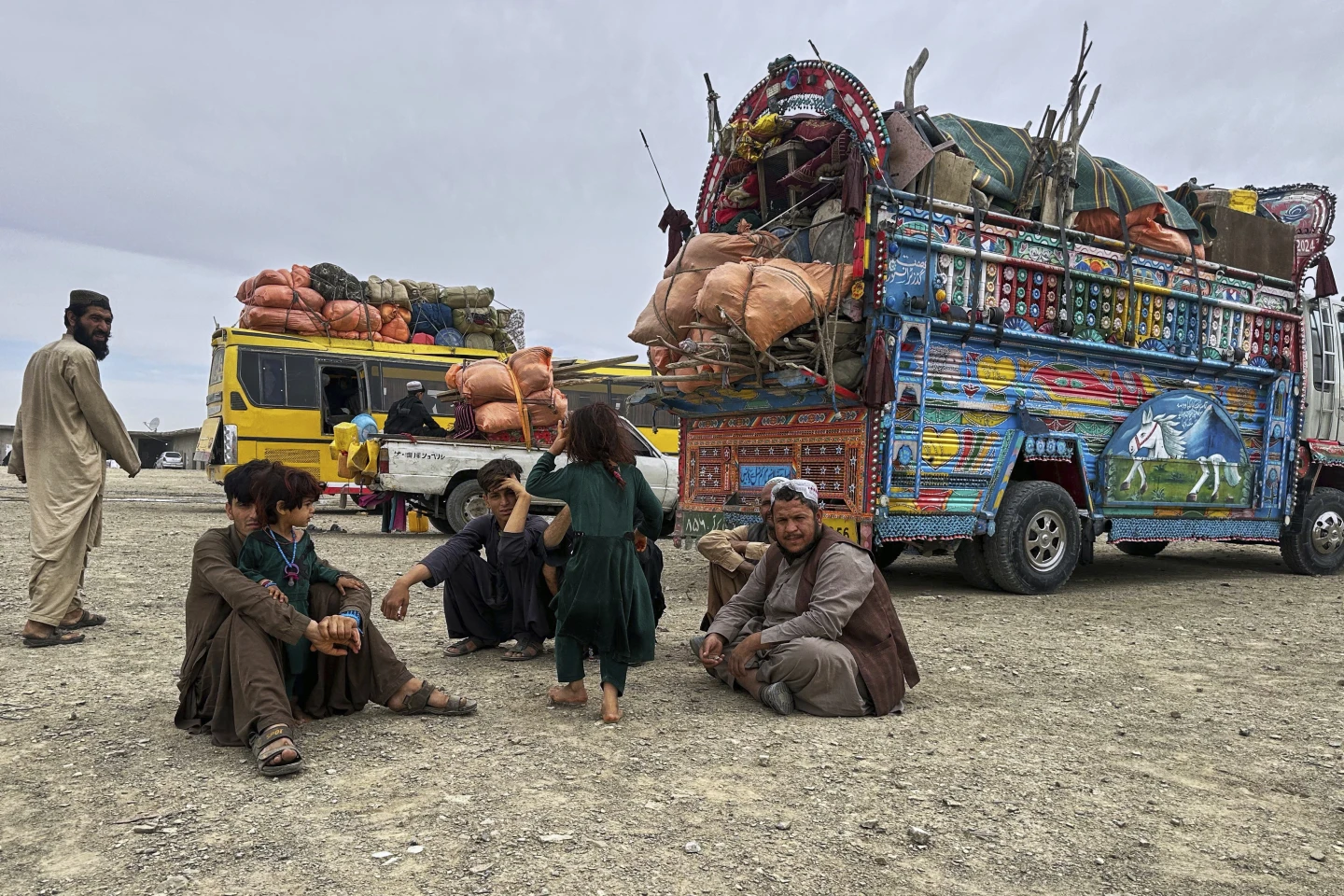
Despite the partial reversal, funding has not been reinstated for programs in Afghanistan and Yemen, where humanitarian needs are among the most severe globally. Both nations continue to endure the consequences of protracted wars, political instability, and the effects of counterterrorism operations.
Nathaniel Raymond, executive director of the Humanitarian Research Lab at the Yale School of Public Health, criticized the ongoing disruption of aid:
“The damage they’ve already done is a potential extinction-level event for two generations of transformational improvements in how we prevent people from dying from a lack of food.”
The United States was the largest donor to the WFP last year, contributing $4.5 billion of the agency’s $9.8 billion budget. Previous administrations had supported such aid as a means to mitigate conflict, reduce poverty and extremism, and manage migration.
In contrast, the current administration has questioned the value of foreign aid and has accused USAID of promoting partisan agendas.

