




Focuses on East Africa-Europe migration
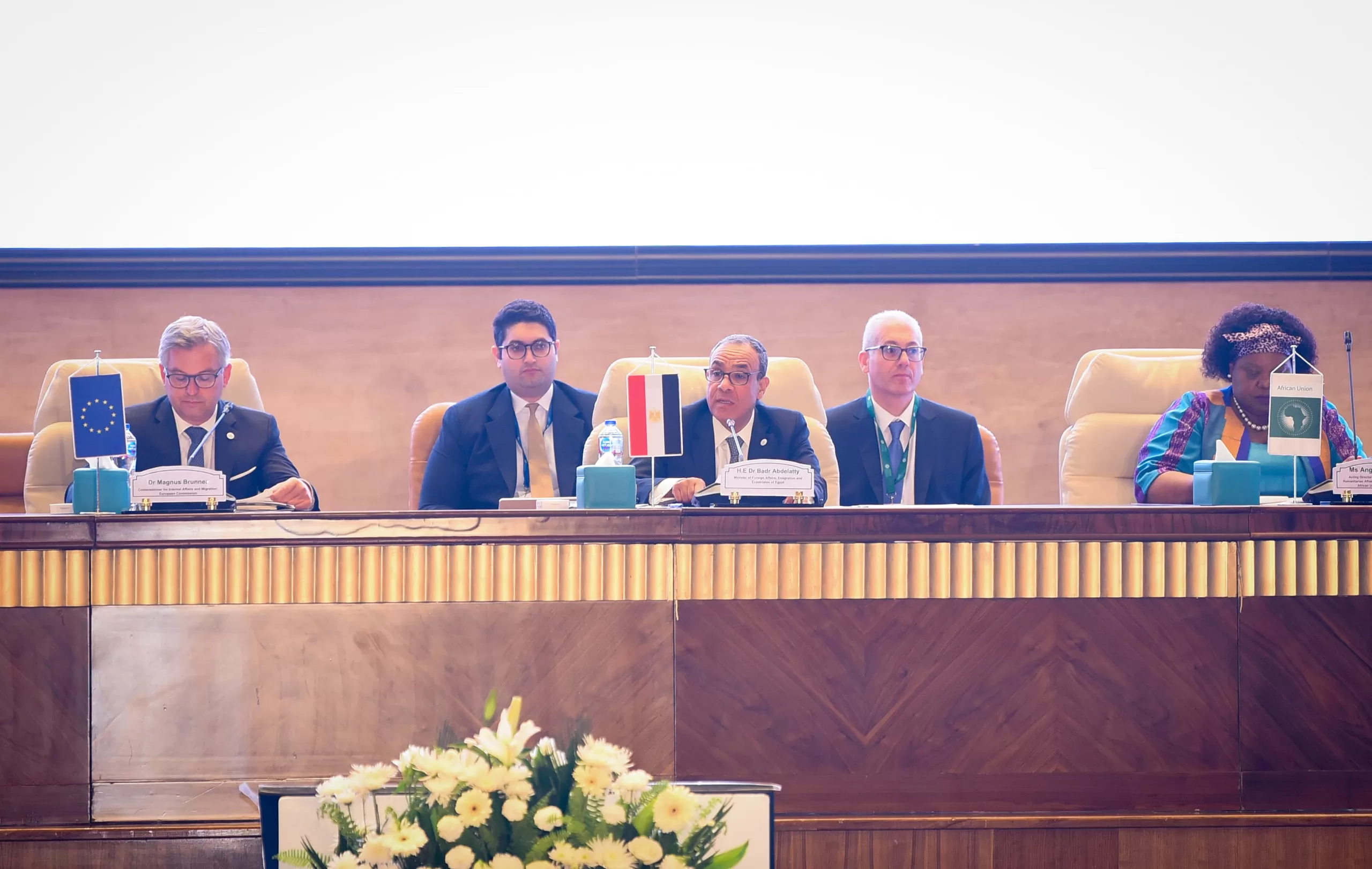
New Administrative Capital, Egypt – High-level delegations from across Africa and Europe have convened in Egypt’s New Administrative Capital for the second ministerial conference of the Khartoum Process. The conference, which commenced today under the chairmanship of Egyptian Minister of Foreign Affairs, Emigration and Egyptian Expatriates Badr Abdelatty, aims to strengthen coordination and consultation on critical issues surrounding migration from East Africa to European countries.
The event marks a significant step in the ongoing dialogue and collaboration within the Khartoum Process, a platform for political cooperation established in Rome in 2014. The Process brings together 40 member states, including European Union (EU) countries, Switzerland, Norway, nations from the Horn of Africa and East Africa, the EU Commission, and the African Union (AU) Commission. Key international organizations such as the International Organization for Migration (IOM), the United Nations High Commissioner for Refugees (UNHCR), and the United Nations Office on Drugs and Crime (UNODC) are also integral partners.
The inauguration of the ministerial conference was preceded by a group photograph of the participating ministers and delegation heads. Egypt assumed the chairmanship of the Khartoum Process in April 2024, marking its second time leading the initiative since its inception.
The Khartoum Process serves as a crucial platform for fostering political cooperation among countries situated along the migratory routes connecting the Horn of Africa and Europe. Its core objectives include establishing a sustained dialogue to enhance cooperation on migration and mobility. Furthermore, the Process actively supports member states in identifying and implementing concrete projects aimed at tackling the pressing issues of trafficking in human beings and the smuggling of migrants, alongside other migration-related challenges.
By fostering regional collaboration between countries of origin, transit, and destination, the Khartoum Process injects renewed momentum into addressing the complexities of the migration route between the Horn of Africa and Europe. The ongoing dialogue is designed to cultivate a shared understanding of human trafficking and migrant smuggling, explore opportunities for balanced partnerships, and promote a spirit of shared responsibility and enhanced cooperation among all stakeholders.
Egypt’s current tenure as chair underscores its commitment to advancing existing efforts across various thematic areas within the Khartoum Process. The nation is advocating for a comprehensive approach to migration, emphasizing key themes such as:
- Establishing legal migration pathways: Exploring and implementing safe and regulated avenues for migration.
- Integrating humanitarian, development, and peace initiatives into migration debates: Recognizing the interconnectedness of these areas and fostering holistic solutions.
- Addressing climate change’s impact on displacement: Acknowledging the growing role of environmental factors in migration patterns.
- Combating human trafficking and migrant smuggling: Intensifying efforts to dismantle criminal networks and protect vulnerable individuals.
The second ministerial conference in Cairo provides a vital opportunity for member states and partner organizations to engage in in-depth discussions, share best practices, and forge stronger commitments to effectively manage migration flows and address the multifaceted challenges associated with irregular migration, human trafficking, and migrant smuggling along the East Africa-Europe corridor. The outcomes of this conference are expected to shape future cooperation and initiatives within the Khartoum Process, ultimately aiming for a more humane and sustainable approach to migration management.

