









Across cultures and centuries, food has symbolised vitality, connection, tradition, and reverence. For the ancient Egyptians, food was not solely about survival. It was woven into the fabric of their earthly existence, religious practices, and beliefs surrounding the afterlife.
A temporary exhibition at the Egyptian Museum in Tahrir, titled “Ancient Egyptian Food: Between Life, Death, and Worship”, explores this fascinating convergence of nourishment, spirituality, and artistry.
The exhibition, running for three months in Hall 43 on the museum’s upper floor, features a carefully curated collection of artefacts that highlight the integral connection between sustenance, ritual, and art in ancient Egyptian society.
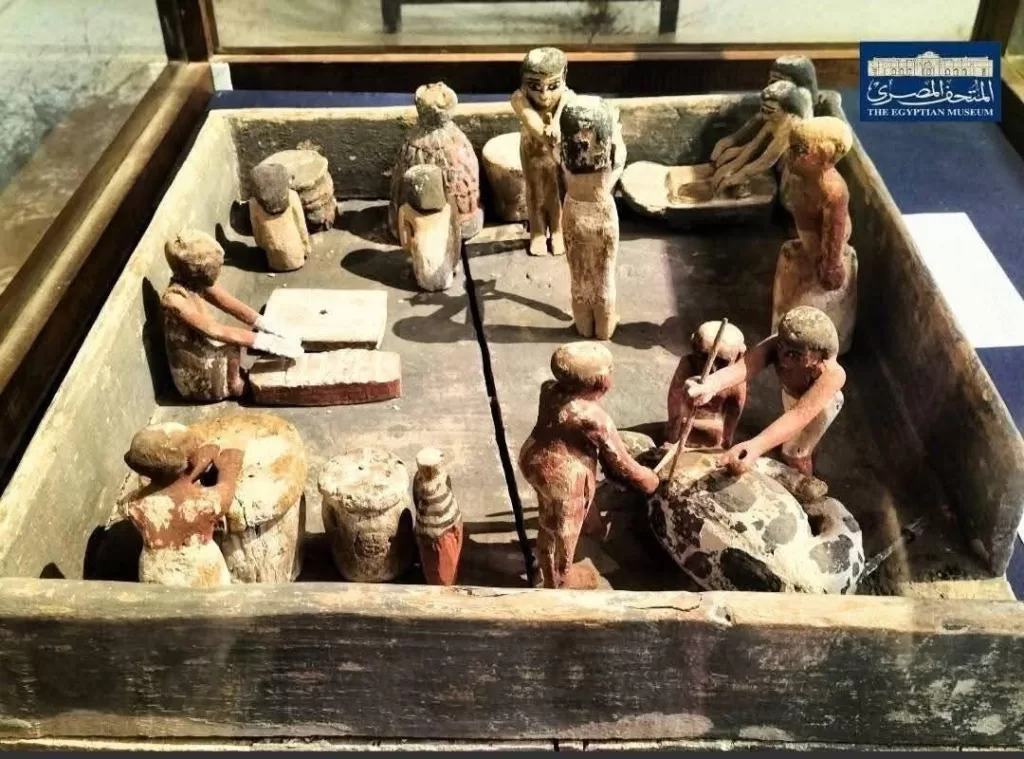
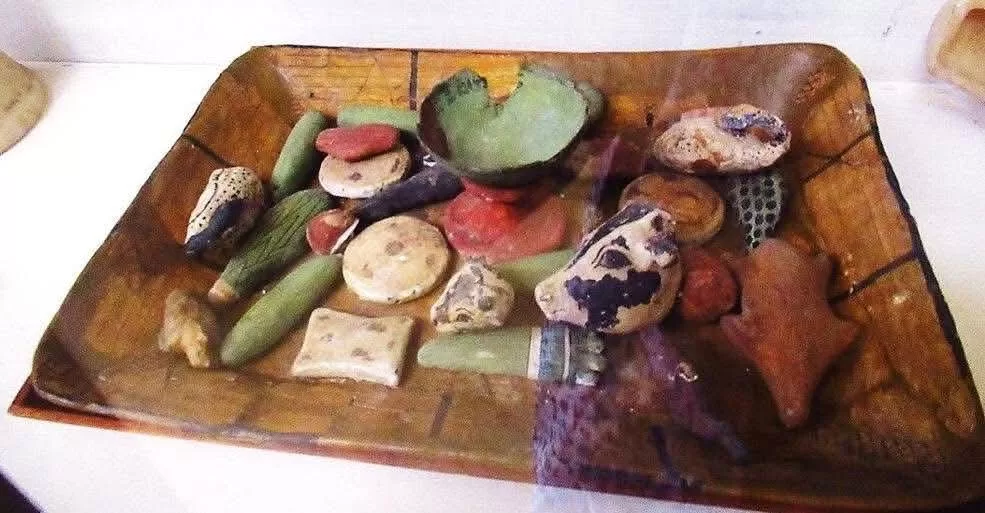
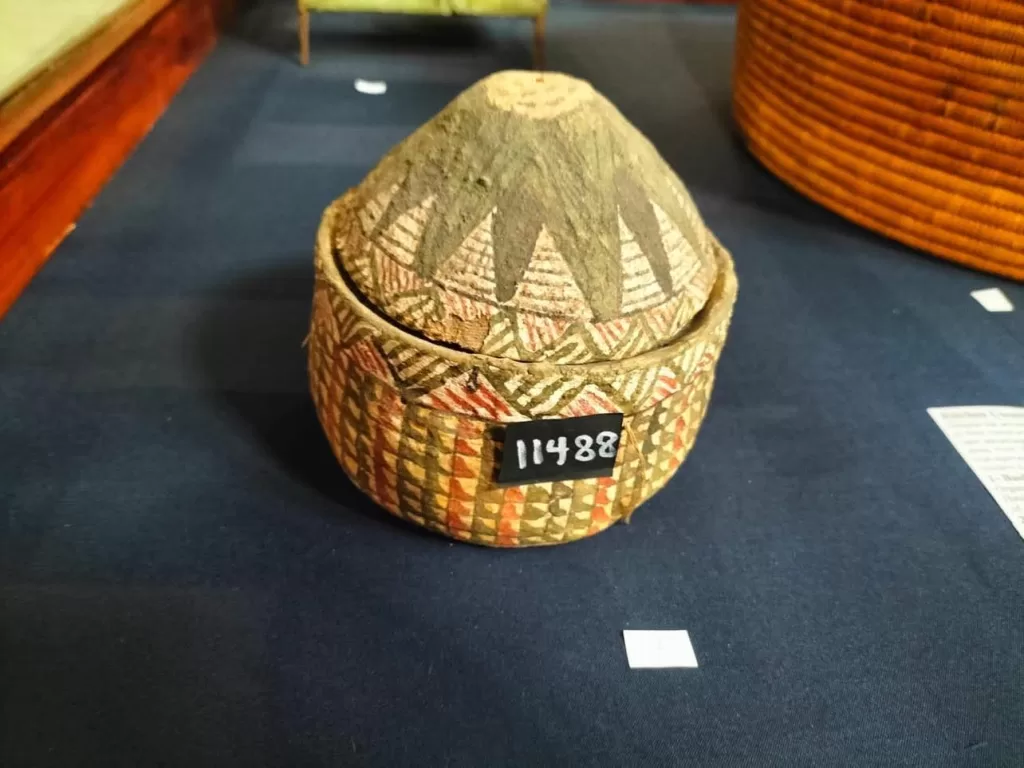
Among the notable pieces on display are miniature models of bread in varying shapes and sizes, recreations of ancient kitchens, depictions of food preparation processes, as well as tools and dishes used in daily life.
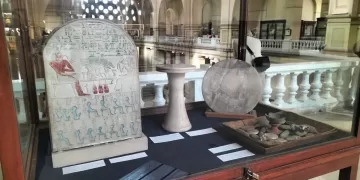
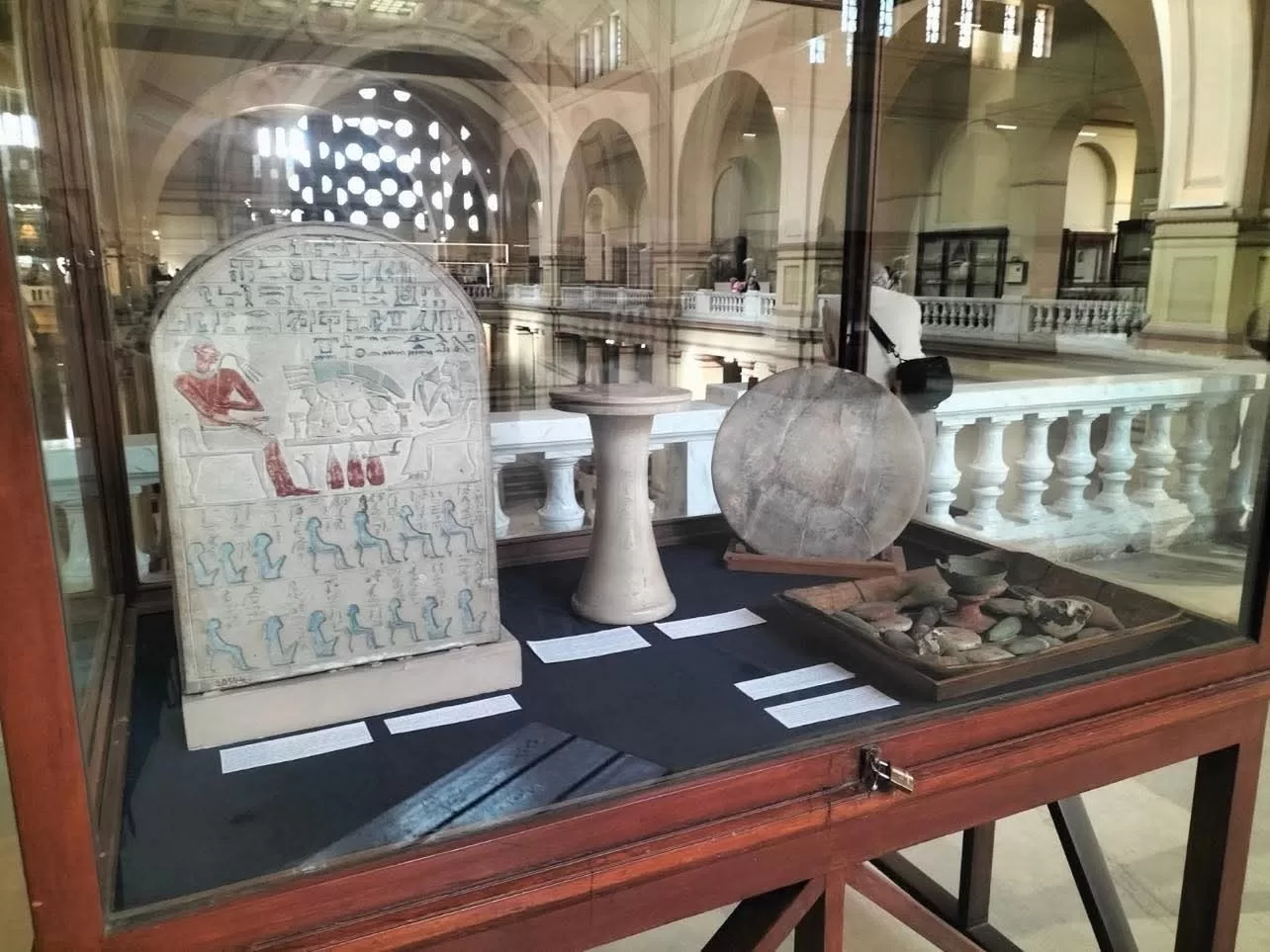
Adding to the cultural richness, the exhibition also features stelae adorned with religious banquet and festival scenes, models of offerings, and tools used for grinding grains.
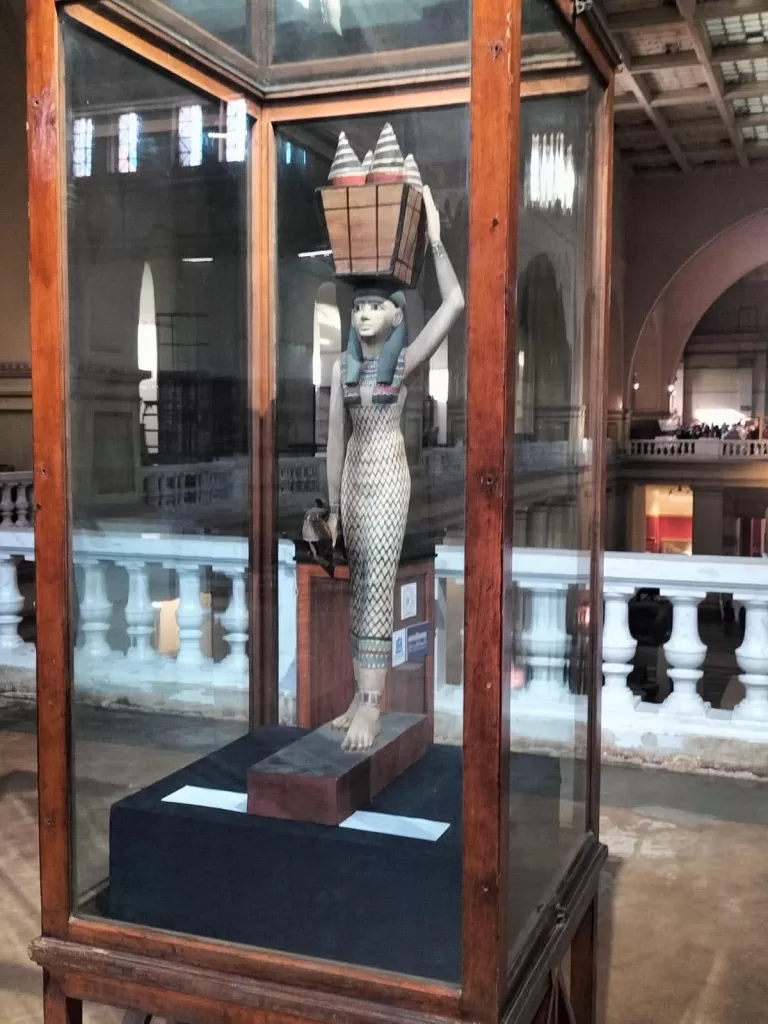
At the heart of the exhibition is the Offering Bearer statue, a breath-taking example of ancient Egyptian artistry and devotion. This iconic artefact represents the concept of sustenance extending beyond mortal life, portraying a woman in motion holding items, such as bread, flowers, and other goods.
These offerings were meant for gods or the deceased, symbolising the continued provision of care in the afterlife.
Crafted during the Middle Kingdom (2040–1782 BC), a period renowned for its refined artistry, the Offering Bearer statue encapsulates a sense of humanity in its pose, details, and expression.
Speaking about the exhibition, Momen Othman, head of the Museums Sector at the Supreme Council of Antiquities, said food was much more than just sustenance for the ancient Egyptians.
It was, he said, a pillar of life, culture, and faith.
Othman highlighted the Egyptians’ remarkable skill in agriculture, animal husbandry, and hunting, which underpinned their diet and religious ceremonies.
“Bread, made primarily from wheat and barley, was at the core of their lives,” Othman said. “It wasn’t just part of their daily meals. Bread played an indispensable role in religious and funerary rituals. It served as a medium of connection with the gods and a means to assure provisions for the deceased in the afterlife.”
Director of the Egyptian Museum, Ali Abdul Halim, shed light on how bread evolved into a symbol of spiritual devotion.
He described intricate methods of bread preparation, including hand-shaped dough or liquid dough poured into clay moulds.
“For the ancient Egyptians, food offerings varied, encompassing drink, precious items, and symbolic foods. Temples across Egypt were adorned with images of offerings, and tomb walls were carved with intricate depictions of abundant food tables – all believed to ensure the deceased’s nourishment in the afterlife,” Abdul Halim said.
The exhibition also adds an interactive element for contemporary visitors. One of its standout displays is a glass case featuring modern recreations of ancient Egyptian breads.
These breads were crafted using methods inspired by temple inscriptions, scenes from religious and daily life, and ritual landscapes.
Another highlight is a model of an ancient Egyptian kitchen, providing insight into the culinary processes of the time.
Visitors can explore tools for grinding grain, dishes used for serving food, and carvings of banquet scenes etched onto stelae.
These artefacts offer a powerful reminder of the reverence the ancient Egyptians held for the act of feeding both the body and the soul.
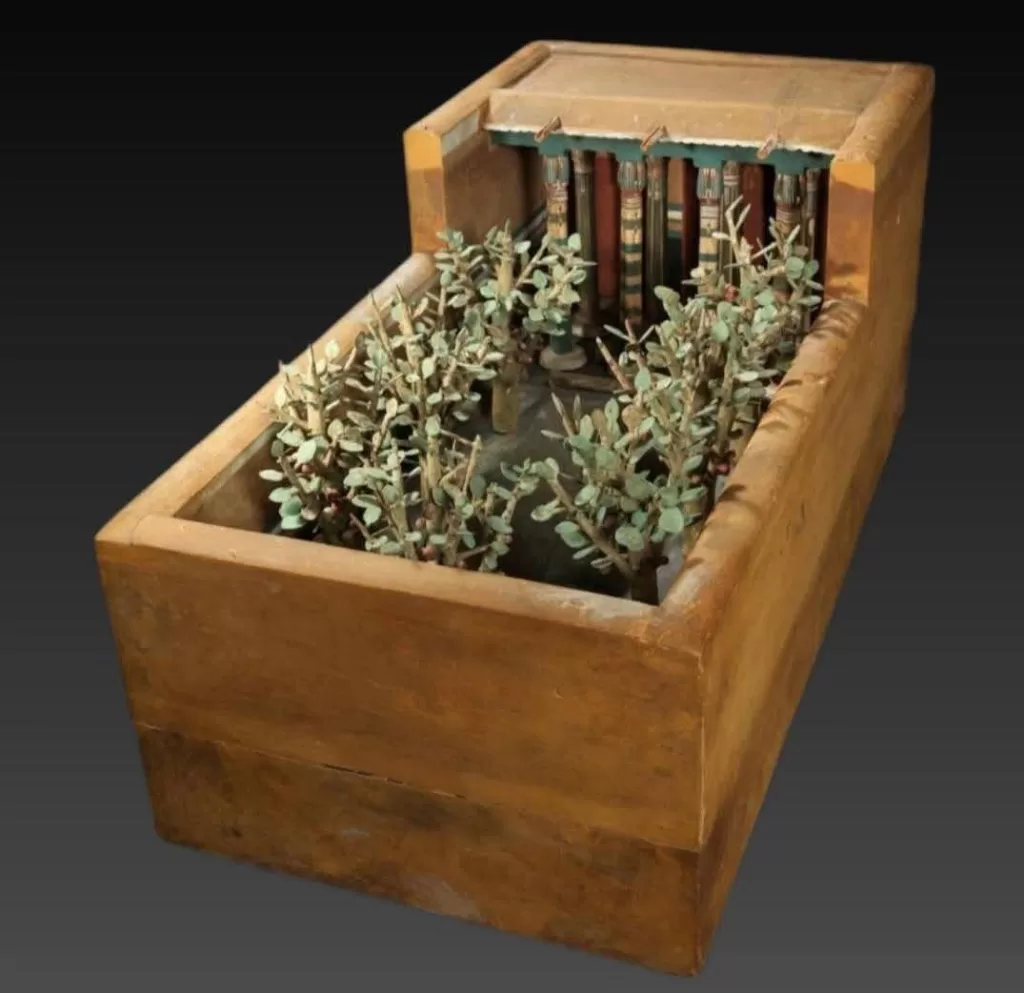
There is also a model that illustrates the ancient Egyptian practice of cultivating fruit trees for purposes, such as providing shade, enhancing decoration, and serving as a food source. It represents a house, shed, and garden, featuring a central pool and a shed positioned at the far end.
Encircling the scene are sycamore trees adorned with red fruits sprouting from their trunks and branches. These fruits symbolise offerings meant to support the deceased in the afterlife.
The garden’s pool, originally lined with copper, was likely filled with water in antiquity. The house shed, facing the garden, includes three projecting gutters, an unusual feature given the rarity of rainfall in Upper Egypt. Its roof, constructed from palm trunks, is supported by two rows of columns.
The rear columns are crowned with capitals resembling tied papyrus stems, while the front columns feature capitals styled after bundled lotus flowers. At the back of the shed and the model, two doors and a window are rendered with intricate detail.
Crafted from wood, copper, and pigments, this piece dates back to the reign of Amenemhat I during the Twelfth Dynasty of the Middle Kingdom.
The exhibition is an opportunity for history enthusiasts, food lovers, and casual visitors alike to delve into the traditions and beliefs of one of the world’s most fascinating civilisations.