



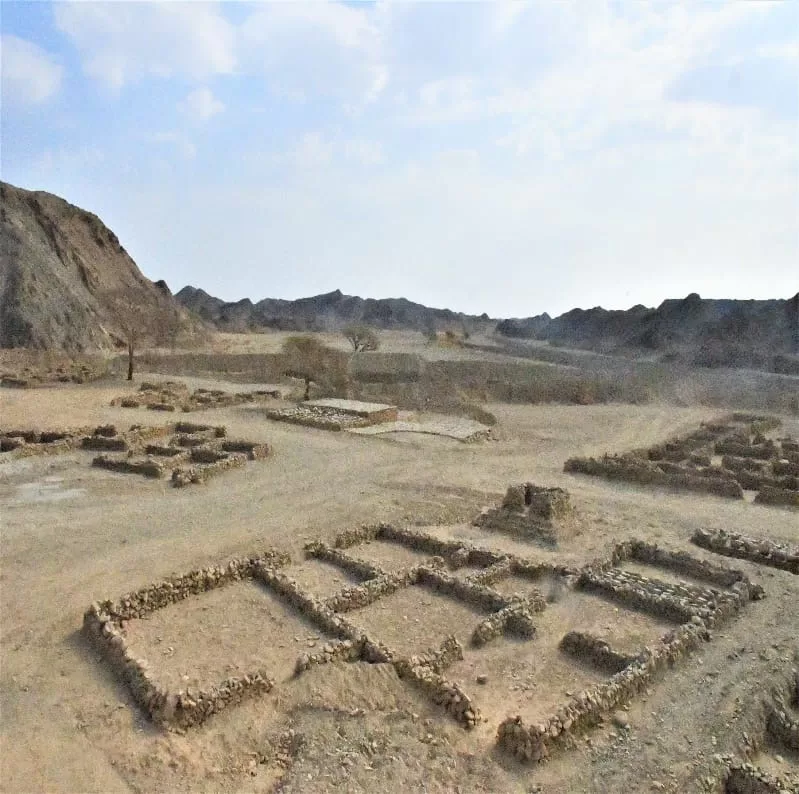
Egypt’s Ministry of Tourism and Antiquities, through the Supreme Council of Antiquities (SCA), has announced the completion of the ambitious “Reviving the Old City of Gold” project in the Sukari Mountain region, southwest of Marsa Alam.
After two years of meticulous legal, administrative, and archaeological effort, this project has successfully pieced together the pivotal role this ancient gold-mining hub played in shaping Egypt’s golden legacy.
The extensive archaeological project, aimed at protecting and documenting the remnants of a once-thriving industrial settlement, unveiled a treasure trove of discoveries stretching across millennia, a statement by the Ministry said.
Among the revelations was a mining camp exceeding 3,000 years in age, complete with an ancient gold-extraction factory showcasing the innovation of ancient Egyptians.
Cutting through quartz veins, utilising sedimentation basins, and operating pottery furnaces, the factory’s remains provide a first-hand glimpse into the sophisticated artisanry of the past.
Moreover, archaeologists uncovered homes of workers, workshops, administrative facilities, sites of worship, and even bathing complexes spanning from the Ptolemaic to the Islamic periods.
Minister of Tourism and Antiquities Sherif Fathi said, “This project not only safeguards our heritage but also reveals incredible insights into the cultural, societal, and technological brilliance of our ancestors. It weaves the story of Egypt’s past into the tapestry of its future economic and sustainable development.”
SCA Secretary-General, Mohamed Ismail, provided further context on the project’s significance.
Over 600 ostraca (pieces of broken pottery with inscriptions) inscribed in hieroglyphic and Greek scripts, Ptolemaic-era bronze coins, delicately crafted terracotta statues, and offering tables from the Greco-Roman period were among the artifacts recovered. From jewellery-making beads of precious stones to utilitarian pottery designed for perfumes, daily needs, and medical purposes, every discovery painted a vivid image of life in this industrious settlement.
One of the project’s most remarkable achievements was the relocation of architectural and archaeological elements from the original site to a safe new location, three kilometres north.
This safeguarded them from potential disturbances caused by modern mining activities in the Sukari gold mine. Not only was the site itself recreated as a six-acre replica of the original camp — perfect for future visitors — but a state-of-the-art visitor centre was also built. The centre now features interactive displays, large screens showing the excavation process, and snapshots of the artifacts in their historical context. Informative panels further narrate the life and innovations of a civilisation that flourished in the Eastern Sahara.
Ismail emphasised the deeper significance of these findings, saying, “Through this project, we gain an unparalleled understanding of how the ancient Egyptians mined gold, lived, worshipped, and fostered community life in a challenging environment. It allows us to connect with their ingenuity and resilience.”

