






Dr. Maya Morsy:
- “Egypt is proud of its achievements in social protection and security rights amidst unprecedented global challenges.”
- “The government is establishing a strategic financial system for economic empowerment, targeting five million beneficiaries.”
- “Egypt remains steadfast in implementing plans that prioritize human well-being in sustainable development efforts and economic programs.”
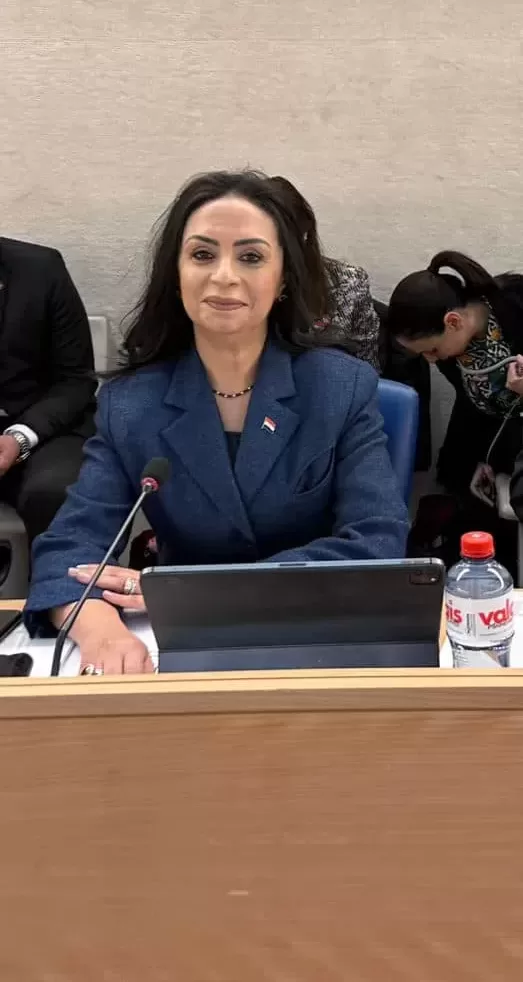
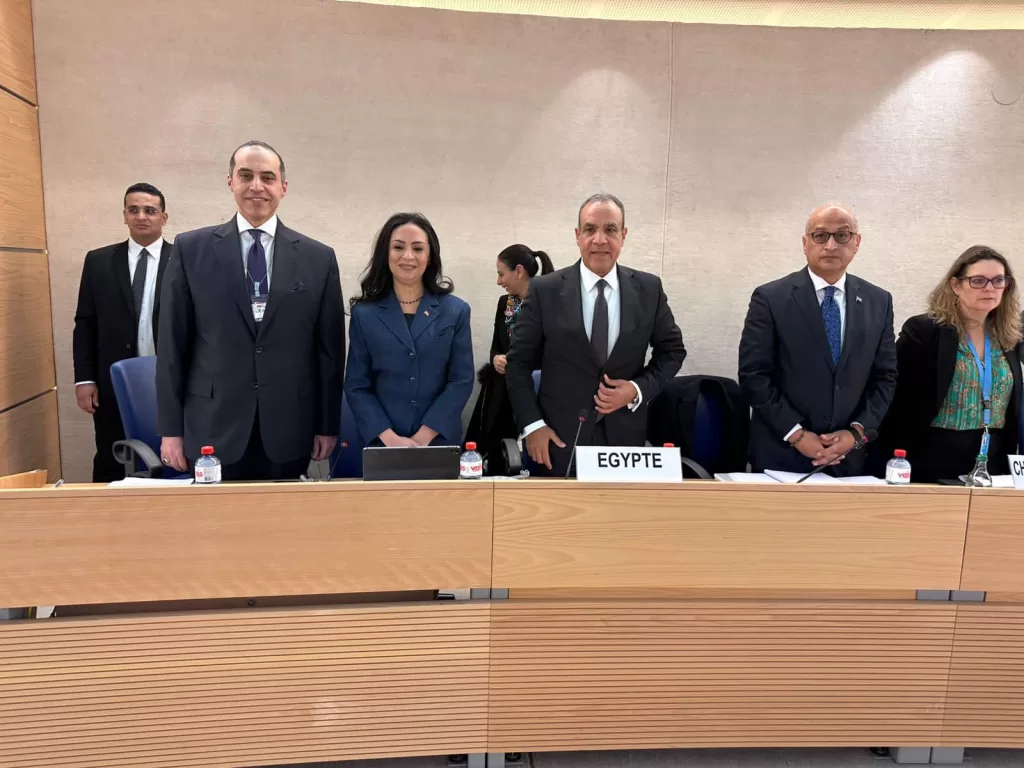
Dr. Maya Morsy, Egypt’s Minister of Social Solidarity, participated in the session reviewing the Universal Periodic Review (UPR) on the human rights records of UN member states, held in Geneva under the umbrella of the United Nations Human Rights Council. She was part of the Egyptian delegation led by Dr. Badr Abdel Atty, Minister of Foreign Affairs and Immigration, along with other prominent officials, including legal and parliamentary representatives, as well as leaders of national councils for women, children, persons with disabilities, and other key sectors.
Dr. Morsy expressed her honor to present Egypt’s national efforts in implementing the recommendations accepted during the last UPR review, specifically in the domains of social and economic rights. She highlighted Egypt’s pride in its significant progress in social security and protection, achieved despite unprecedented global challenges. The government, she said, has expanded the coverage of social protection programs, improved targeting mechanisms to ensure social justice, and introduced new initiatives reflecting a leap in efforts to protect citizens, surpassing achievements made since the 1950s.
Dr. Morsy emphasized the introduction of a Deputy Prime Minister for Human Development as a testament to the state’s political will to prioritize human welfare in its development agenda. She noted that public spending on social protection had more than doubled, reaching EGP 635 billion in 2024. She highlighted the success of the conditional cash transfer program “Takaful and Karama,” which now benefits 4.7 million households (22 million individuals) at an annual cost of EGP 45 billion. She also cited the exit of over 3 million families from the program due to improved living conditions, alongside the institutionalization of social assistance through the passage of a new social security law.
Dr. Morsy further underscored the government’s efforts to establish a strategic financial system for economic empowerment targeting five million families. She lauded the “Decent Life” initiative as Egypt’s largest sustainable development project, which has received international recognition and is registered as a global best practice for achieving the UN Sustainable Development Goals.
Egypt has also made remarkable strides in healthcare through initiatives like the “100 Million Health” campaign, aimed at eradicating Hepatitis C and other diseases, alongside programs addressing anemia, obesity, stunting, and maternal and child health. These initiatives, she said, have yielded unprecedented successes, earning international acclaim. Egypt is working toward achieving 100% health insurance coverage, with the first phase already covering 35% of the population, focusing on vulnerable groups such as farmers, fishermen, and informal workers.
In the education sector, Dr. Morsy highlighted the increased budget for pre-university education, rising from EGP 208.2 billion in 2018 to EGP 565 billion in 2024. Egypt also won UNESCO’s Literacy Prize for 2024, and the number of universities has grown from 48 to 116. Human rights education is now being integrated into curricula to promote values of tolerance, dialogue, and gender equality.
Dr. Morsy also outlined the government’s efforts to empower persons with disabilities through the issuance of 1.5 million integrated services cards, providing access to education, employment, and healthcare benefits. Developmental and investment funds have been allocated to support their programs, and for the first time in 2024, Egypt enacted a law safeguarding the rights of senior citizens. The government has also established a National Foster Care Center and is drafting a comprehensive alternative care law to enhance family and child welfare.
On civil society reforms, she highlighted the enactment of a new NGO law granting organizations greater flexibility and operational freedoms. Egypt now has 35,000 registered NGOs, with collective fundraising efforts totaling EGP 46 billion. International grants to NGOs exceeded EGP 35 billion, while domestic support initiatives surpassed EGP 700 million over two years.
Despite geopolitical challenges impacting economic progress, Dr. Morsy affirmed Egypt’s unwavering commitment to providing humanitarian aid through partnerships with entities like the Egyptian Red Crescent. She concluded by emphasizing Egypt’s dedication to placing people at the center of sustainable development efforts, boosting women’s workforce participation, and fostering social justice.
“We carry the values of our ancient nation, the dreams of future generations, and the aspirations of citizens seeking full rights to development,” Dr. Morsy said in her closing remarks.

