










By Mohamed Attia
EgyptAir, Egypt’s national carrier, is set to embark on an ambitious phase of development and fleet expansion in 2025, as part of directives from Civil Aviation Minister. Mohamed Samih Al-Hefny. Under the leadership of Yehia Zakaria, Chairman of the EgyptAir Holding Company, the airline aims to modernise its operations and expand its global reach.
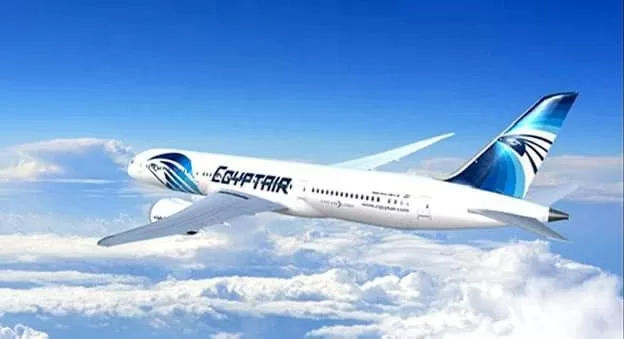
Starting this year, EgyptAir will begin receiving 18 Boeing B737-8 MAX aircraft under a leasing agreement with Air Lease Corporation. The first deliveries are expected in 2025, with all aircraft in place by the end of 2026.
Additionally, EgyptAir has signed a deal for 10 Airbus A350-900 planes, known for their fuel efficiency and reduced carbon emissions. The new Airbus models, equipped with Rolls-Royce Trent XWB engines and advanced AirSpace cabins, will enhance passenger comfort and environmental sustainability.
Zakaria highlighted that the A350-900 aircraft have a seating capacity of 340 and are designed to meet growing passenger demand while aligning with EgyptAir’s commitment to reducing fuel consumption and emissions.
EgyptAir plans to expand its global route network to 100 destinations by 2030, with a particular focus on the African market. By 2028, the airline intends to operate 276 weekly flights to 32 airports across 30 African countries.
Minister Samih Al-Hefny emphasised the airline’s vital national role, citing examples such as the evacuation of Egyptians from Libya and its contributions during the Covid-19 pandemic. He also noted that restructuring measures are underway to enhance profitability and service quality, positioning EgyptAir as a competitive and sustainable carrier.
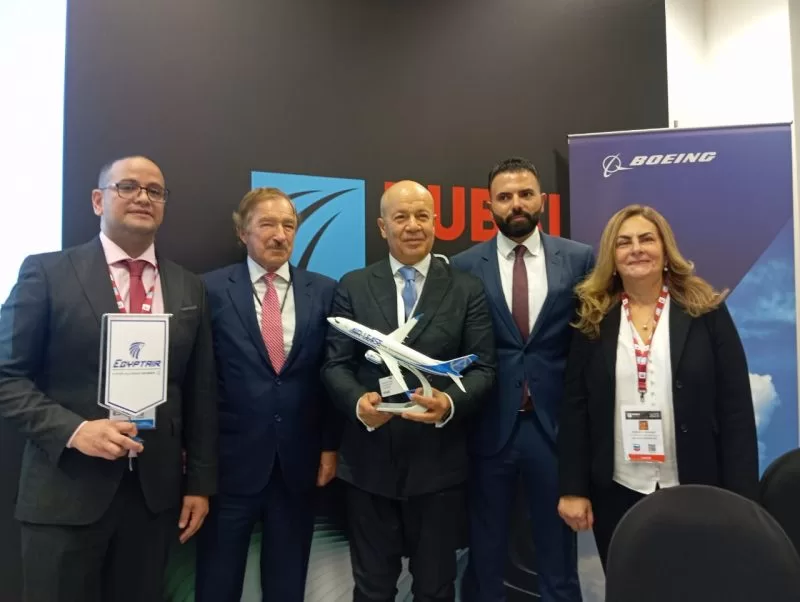
During the Dubai Airshow, EgyptAir signed agreements to support its fleet expansion and technical operations. Highlights include a partnership with Honeywell for maintenance of aircraft components as well as collaboration with Saudi Arabia’s aviation academy to train pilots on the B787 Dreamliner and ground services agreements with Tiger Aviation Services for Turkish airline Tailwind.
They also involved a memorandum of understanding with Rolls-Royce for comprehensive engine maintenance services and the adoption of GE Aerospace software for data analysis, risk reduction, and operational efficiency.
Additionally, EgyptAir’s maintenance division signed a memorandum with Airbus to bolster its aircraft maintenance capabilities, solidifying its position as a leader in technical services.
EgyptAir has also invested in ground services, acquiring 37 new vehicles to enhance its operational capacity. By the end of the decade, the airline aims to operate a fleet of 125 aircraft.
Minister Al-Hefny reaffirmed EgyptAir’s dual role as a profit-driven entity and a national carrier, supporting the country’s aviation sector while providing world-class services to passengers worldwide.


Discussion about this post