

• Advertise
  • Privacy & Policy
  • Contact
Saturday, December 6, 2025
itida
Egyptian Gazette

Editor-in-Chief

Mohamed Fahmy

Board Chairman

Tarek Lotfy

  • HOME
  • EGYPT
    • Local
    • Features
  • World
    • National Day
  • Technology
  • BUSINESS
    • Real Estate
    • Automotive
  • SPORTS
  • ENTERTAINMENT
    • Arts
    • Health
    • Lifestyle
    • Travel
  • Skyward
    • Snippets from EgyptAir history
  • MORE
    • Multimedia
      • Video
      • Podcast
      • Gallery
    • OP-ED
No Result
View All Result
  • HOME
  • EGYPT
    • Local
    • Features
  • World
    • National Day
  • Technology
  • BUSINESS
    • Real Estate
    • Automotive
  • SPORTS
  • ENTERTAINMENT
    • Arts
    • Health
    • Lifestyle
    • Travel
  • Skyward
    • Snippets from EgyptAir history
  • MORE
    • Multimedia
      • Video
      • Podcast
      • Gallery
    • OP-ED
No Result
View All Result
Egyptian Gazette
Home World

Climate report: Africa’s rare glaciers soon to disappear

by News Wires
October 19, 2021
in World
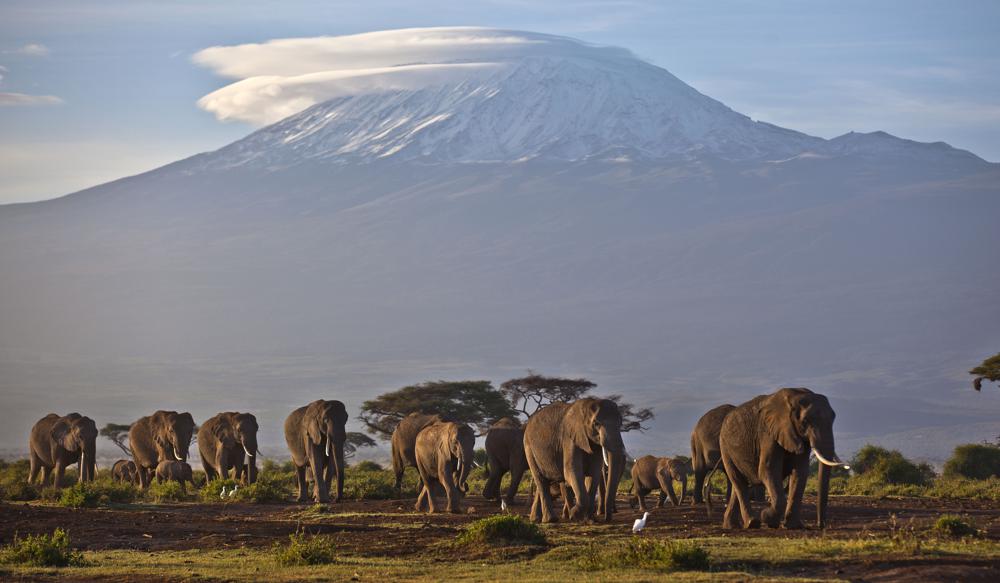
A file photo of a herd of adult and baby elephants walking in the dawn light as the highest mountain in Africa, Mount Kilimanjaro in Tanzania, sits topped with snow in the background.

A file photo of a herd of adult and baby elephants walking in the dawn light as the highest mountain in Africa, Mount Kilimanjaro in Tanzania, sits topped with snow in the background.

Share on FacebookWhatsapp

NAIROBI — Africa’s rare glaciers will disappear in the next two decades because of climate change, a new report warned Tuesday amid sweeping forecasts of pain for the continent that contributes least to global warming but will suffer from it most.

The report from the World Meteorological Organisation (WMO) and other agencies, released ahead of the UN climate conference in Scotland that starts Oct. 31, is a grim reminder that Africa’s 1.3 billion people remain “extremely vulnerable” as the continent warms more, and at a faster rate, than the global average. And yet Africa’s 54 countries are responsible for less than 4% of global greenhouse gas emissions.

The new report seizes on the shrinking glaciers of Mount Kilimanjaro, Mount Kenya and the Rwenzori Mountains in Uganda as symbols of the rapid and widespread changes to come, according to AP. “Their current retreat rates are higher than the global average. If this continues, it will lead to total deglaciation by the 2040s,” it says.

Massive displacement, hunger and increasing climate shocks such droughts and flooding are in the future, and yet the lack of climate data in parts of Africa “is having a major impact” on disaster warnings for millions of people, WMO Secretary-General Petteri Taalas said at Tuesday’s launch.


Tags: AfricaClimate changeWorld Meteorological Organisation.

Discussion about this post

ADVERTISEMENT
egyptian-gazette-logo

The Egyptian Gazette is the oldest English-language daily newspaper in the Middle East.
It was first published on January 26, 1880 and it is part of El Tahrir Printing and Publishing House.

Follow Us

Gazette Notifications

Would you like to receive notifications on our latest news ?

  • Advertise
  • Privacy & Policy
  • Contact

Copyrights for © Egyptian Gazette - Administered by Digital Transformation Management.

No Result
View All Result
  • HOME
  • EGYPT
    • Local
    • Features
  • World
    • National Day
  • Technology
  • BUSINESS
    • Real Estate
    • Automotive
  • SPORTS
  • ENTERTAINMENT
    • Arts
    • Health
    • Lifestyle
    • Travel
  • Skyward
    • Snippets from EgyptAir history
  • MORE
    • Multimedia
      • Video
      • Podcast
      • Gallery
    • OP-ED

Copyrights for © Egyptian Gazette - Administered by Digital Transformation Management.

This website uses cookies. By continuing to use this website you are giving consent to cookies being used. Visit our Privacy and Cookie Policy.